Exploring the Lost City of Petra: A Jordanian Adventure
Having been ruled by the Nabateans more than 2 millennia ago, strolling and discovering new things around this place can be your favorite things to do when you visit Jordan. The first time you set foot in this ancient city, you will immediately know why a lot of travelers put this place on their bucket lists.
This place has a long history that dates back to prehistoric times, and you can now clearly see the remains of its golden days. So, what is there to explore around this marvelous tourist spot? The sections below will tell you many captivating and important things about the lost city of Petra, so keep on reading to learn more about them!
Visiting and Staying in Petra, Jordan
Petra is a city that is carved inside a reddish sandstone rock. The long and narrow pathway you see in many videos and photographs is just the entrance area to the city and the huge structure found in many travel magazines is actually a mausoleum. Many of the remains here are heavily influenced by Greek and Hellenistic architecture.
The most important thing to remember when you plan to visit this place is to bring a very comfortable pair of shoes. The city spans more than 250 kilometer squares, and you have to take a lot of stairs to enjoy the best views. Also, because you will have to do a significant amount of walking and climbing, be sure that you have enough water.
And, if you believe that you need more than one day to discover Petra, you can look for accommodation in the nearby town of Wadi Musa. There are hotel options here that can provide you with a comfortable place to have some rest and relax. But, if you are feeling a little bit more adventurous, you can spend your night camping in the desert.
The Best Destinations around The Lost City of Petra
While Petra does not offer you five-star services and lavish accommodation options, this city certainly provides you with a different kind of adventure. Situated between two iconic waters, the Red Sea and the Dead Sea, it is best to visit this place during the Spring season. And, to get you the most out of your trip, here are the best attractions to visit while you are here.
The Siq
This is the main and only entrance to this historic city, which we have talked a bit about earlier. It starts near the Dam and it spans for more than 1 kilometer. The narrowest part of The Siq has a width of 3 meters and most of the rock formation is naturally carved. Back in the day, the floor of the entrance was covered with slabs of stones.
The Nabateans have built channels on both of the structure’s ends to get water from Wadi Musa to the inside of the city. These channels have pipes made from pottery and rock and we can still see today how those people provided water for their community. You can also see that there are carvings representing Nabatean gods.
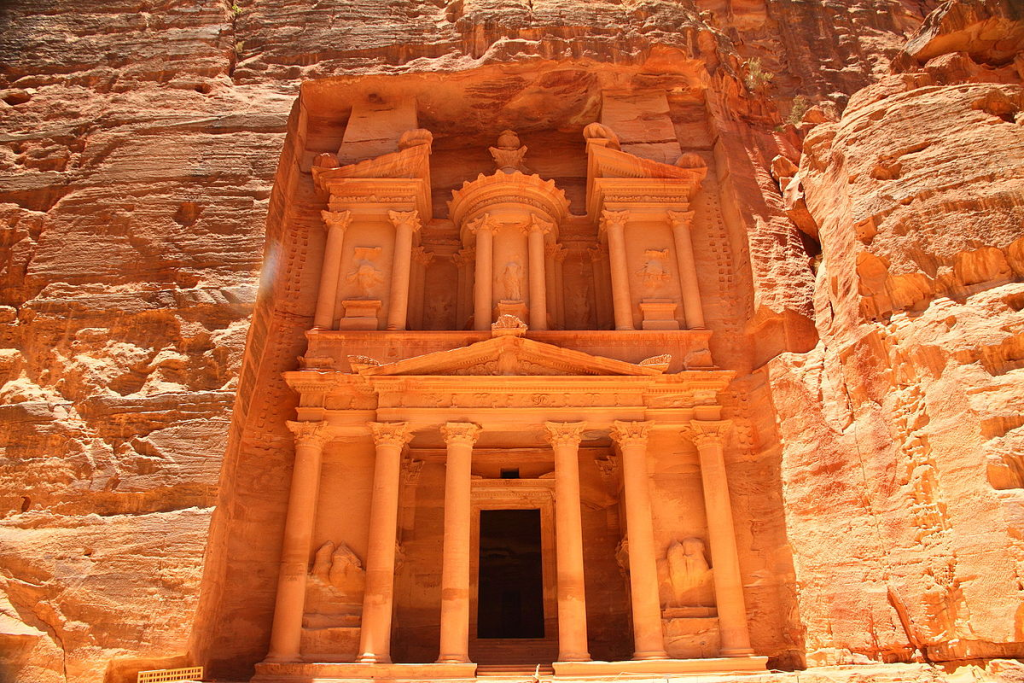
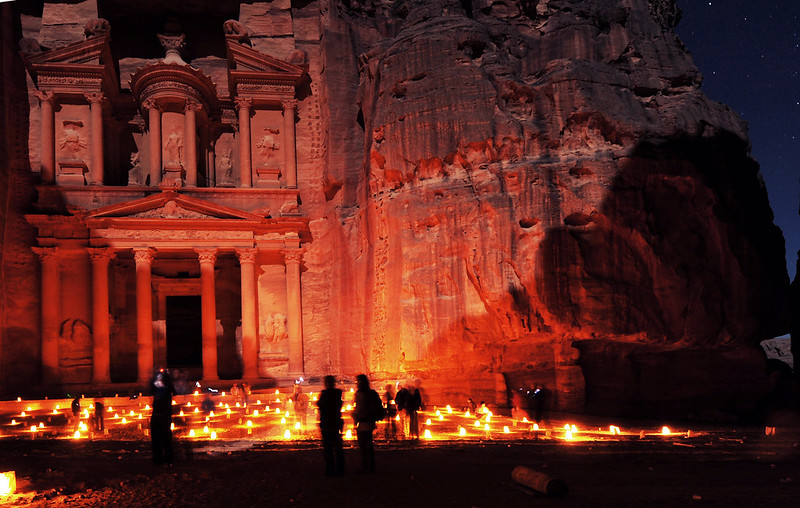
The Treasury
With a towering height of 40 meters, this one is possibly the most renowned part of Petra. It is beautifully adorned with Corinthian ornaments and there is a funerary urn that is believed to bear treasured items from the Pharaoh. Experts and archaeologists are still debating to this day about the structure’s real function, but we can all agree with the charm it holds.
The Street of Facades
This area is adjacent to The Siq and is located not far from The Treasury. It got its name from the Nabatean burial sites that have carvings along the exterior and grindstone decorations. Unfortunately, a significant portion of this area has been destroyed by the elements, but the rest remains observable today.
On the southern side of the area, you can find a standout tomb. This tomb overlooks The Siq and it was the place where a minister and throned guardian, Anesho, was buried. And, a few meters from there, you will see The Theater. There are three rows of seats here and legend says that there were up to 4000 people gathered here on special occasions.
The Court
You can continue your exploration to The Court, which is also dubbed The Urn Tomb. This nickname comes from the jar that was found in the structure’s basement. Then, if you go north of The Court, you will arrive at The Silk Tomb, which got its name from the impressive color of the stone. There are four columns here that remain to this day.
The Colonnaded Street
This area is situated at the other end of the city and it served as the main shopping street during the Roman era. The excavation done on this portion of the ancient city discovered that there were other layers of structures below, which indicate that this street had been rebuilt and refurbished during prehistoric times.
At the end of this street, lies The Great Temple. This site represents a crucial portion of the town. It has a red and white exterior that significantly contrasts with the red-colored sandstone in the background. The temple was built with Nabatean architecture in mind and this is shown by the presence of rock-hard outer walls.
The Takeaway
Do you think it is a good idea to make Petra your next destination? This ancient city surely has a lot to enjoy and explore. Whether you are a history buff who wants to learn new things about Jordanian civilization or a thrilled traveler who longs to see the ruby-colored structures with your own eyes, this place will certainly excite you.
Nothing can prepare you for Petra. If you think that there is nothing special about this historic region, then you are mistaken. It is believed that only a small portion of this city has been discovered by archaeologists. So, if you think you have that curious wanderer in you, this place will certainly fuel the inquisitiveness in you.