Unveiling the Mysteries: Exploring the Ancient Ruins of Machu Picchu
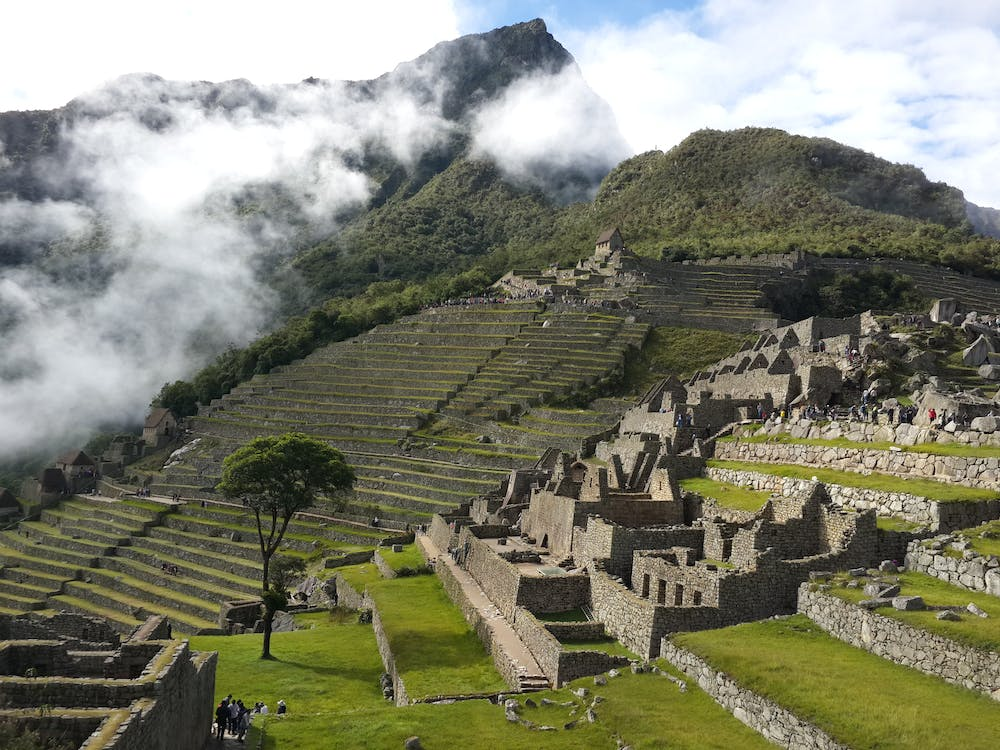
Machu Picchu isn’t called the “Lost City of the Incas” for nothing. This ancient archaeological pride in Peru is situated in the Andes Mountains. Let’s learn more about what to expect in the ancient ruins of Machu Picchu as we explore its beauty and unveil its mysteries.
The Ancient Ruins of Machu Picchu – Brief Overview
The mystical setting and architectural grandeur set Machu Picchu apart from similar travel sites. Once on-site, you’d be amazed at the breathtaking panoramic views of the peaks and valleys surrounding it.
It remained hidden from the outside world despite being in existence since the 15th century until American explorer Hiram Bingham rediscovered this gem in 1911. Now, it is flocked by travel enthusiasts and people who are fascinated by the cultural and engineering achievements of the Inca civilization.
The Incas masterfully designed the city to blend harmoniously with the natural landscape. It’s proof and a showcase of the advanced construction techniques of the Incas.
According to scholars, Machu Picchu was once a sacred, spiritual, and retreat site for religious ceremonies and Inca rulers. However, its abandonment and the real purpose of why it was built remain among the mysteries that are still awaiting to be unmasked.
In recognition of Machu Picchu’s exceptional cultural and environmental significance, UNESCO named it a World Heritage Site in 1983. Every year, it draws millions of tourists from around the world who want to experience this remarkable location’s mystique and ancient history.
One can connect with the Inca civilization’s rich cultural history and take in the breathtaking grandeur of the Andean terrain by traveling to Machu Picchu. Visitors are enthralled by its wonderful ambiance and the mysteries it still conceals, serving as a reminder of the inventiveness and architectural genius of the Incas.
Machu Picchu – Getting There
To guarantee a memorable experience, picking the right date when arranging a trip to Machu Picchu is crucial. The busiest travel months are often when the weather is dry in June through August.
Alternately, the good weather and lower tourist traffic are found during the shoulder seasons of April to May and September to October. It’s best to stay away from the rainy season, which lasts from November to March and can impede views and hiking paths due to severe rainfall.
Transportation Options
You have several options for getting to Machu Picchu, each offering a different experience.
Cusco, the nearest major city, is the most frequent starting point. You may fly domestically from Cusco to the town of Aguas Calientes, then take a little bus trip up to Machu Picchu.
Another preferred option is the picturesque train ride from Cusco or Ollantaytambo to Aguas Calientes. With this choice, you can take in breathtaking vistas of the Andean region.
Alternately, those with a sense of adventure can travel the illustrious Inca Trail or other trekking paths that lead to Machu Picchu.
Permits and Entry Requirements
Studying the documentation requirements and permits before visiting Machu Picchu is a must. A valid entrance ticket is required for all visitors, which can be acquired in advance online or in person in Cusco or Aguas Calientes.
Machu Picchu is in demand by tourists from all over the world, so it is advised to purchase tickets in advance, especially during the busiest times of the year. Early planning is essential because some walks, like the Inca Trail, need specific permits and have limited availability.
It’s also important to note that there are restrictions on the number of visitors permitted each day, so obtaining your entry beforehand is strongly advised.
Visitors must show a valid passport in addition to their admittance ticket to enter the place. You also cannot use a digital version or photocopy of your passport, so be sure to bring the original copy.
You can go on an unforgettable adventure to the historic ruins of Machu Picchu as long as you plan your trip ahead and bring all the documents required.
Exploring Machu Picchu
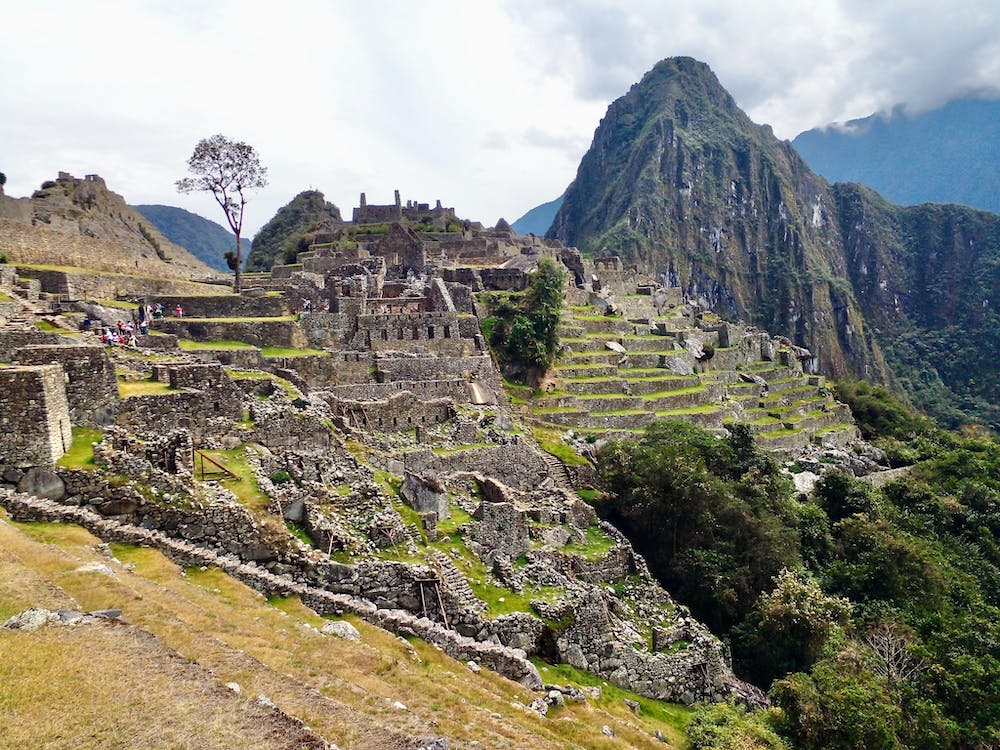
Exploring this UNESCO World Heritage Site is a wonderful way to learn about its fascinating history and take in the stunning ruins that have mesmerized tourists for decades. Here are some of the attractions you wouldn’t want to miss during your trip:
- Temple of the Sun
This temple is devoted to the Inca sun god Inti, and it displays the superb stonework and exacting architectural design of the Incas. The temple’s structure, with its curving walls and precisely placed stones, is evidence of the superior engineering capabilities of the Inca civilization.
- Intihuatana Stone
This significant structure is believed to have been used as a sundial or astronomical calendar by the Incas. Moreover, this elaborately carved stone greatly influenced their spiritual and agricultural habits.
- The Main Plaza
The Main Plaza is the heart of social and ceremonial events at Machu Picchu. It offers a glimpse of the vivid life of the ancient Inca culture. Significant buildings like the Principal Temple and the Temple of the Three Windows surround the plaza.
- Temple of the Three Windows
This striking building with three trapezoidal windows is situated in Machu Picchu’s Sacred District. In addition to providing beautiful views of the surrounding mountains and valleys, the temple is regarded as a spiritual location.
- Agricultural Terraces
The terraced fields that encircle Machu Picchu show off the Incas’ expertise in agriculture. These amazing terraces, built with skill and invention, enabled the production of crops at various heights, enhancing the city’s sustainability.
- Sun Gate
This attraction marks the final stretch of the illustrious Inca Trail. Moreover, it provides a spectacular panoramic picture of Machu Picchu.
Hikers can enjoy a magical and breathtaking moment as the sunrise paints the historic city with its golden rays from this vantage point.
- House of the High Priest
The place exhibits elaborate stonework and architectural elements and is thought to have been the dwelling of the high priest or other significant religious officials. This edifice sheds light on the Incas’ ceremonial and religious customs.
Conclusion
Each step you take as you explore the ancient city unveils more of Machu Picchu’s incredible architectural accomplishments, spiritual significance, and cultural diversity. This UNESCO World Heritage Site invites you to take an extraordinary journey through history and mystery.